About Jim Corbett National Park
Established in 1936 as Hailey National Park, Jim Corbett National Park is India's oldest and most prestigious national park. Located in the picturesque foothills of the Himalayas in Uttarakhand, it was named after the legendary naturalist and author Jim Corbett. The park is famous for being the launchpad of Project Tiger in 1973, an initiative aimed at protecting India's endangered royal predators. Spanning over 520 square kilometers, it features diverse landscapes of dense sal forests, hilly ridges, and expansive grasslands (chaurs) fed by the beautiful Ramganga River.
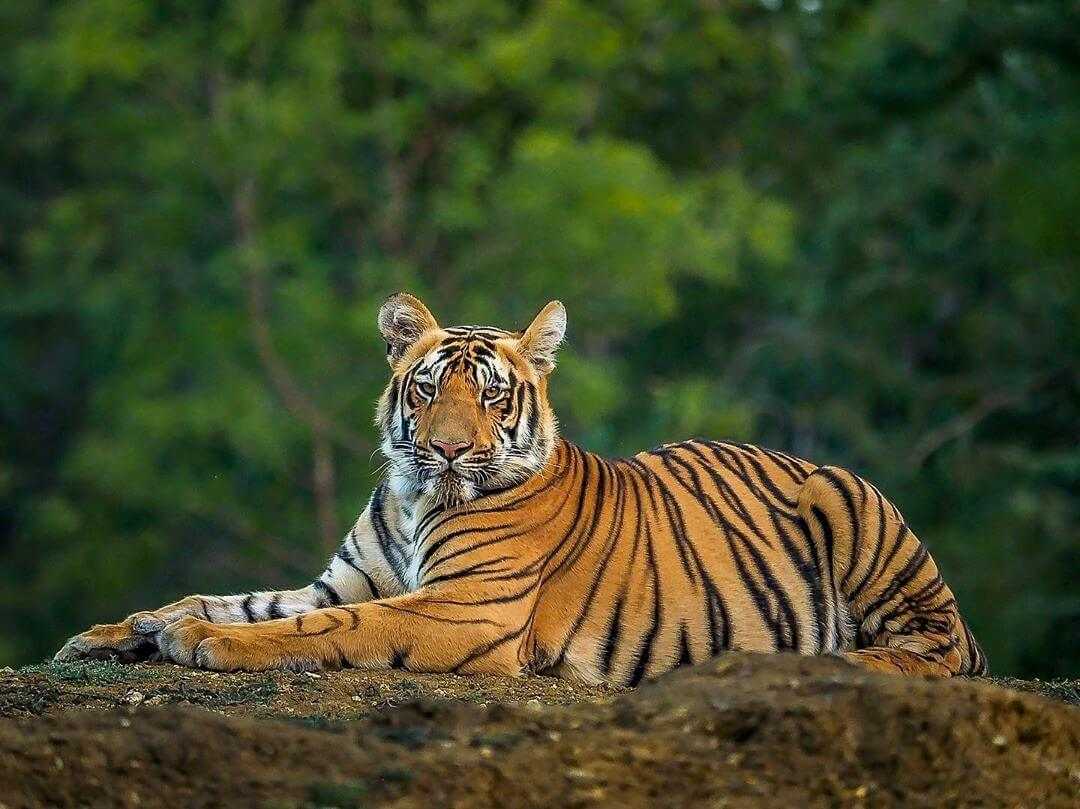
Bengal Tiger
The iconic star of Corbett Tiger Reserve. India's Project Tiger was launched here in 1973. Recent estimates show Corbett housing more than 260 tigers, making it one of the most important tiger conservation landscapes in the world. These apex predators primarily hunt large prey like sambar and chital deer.
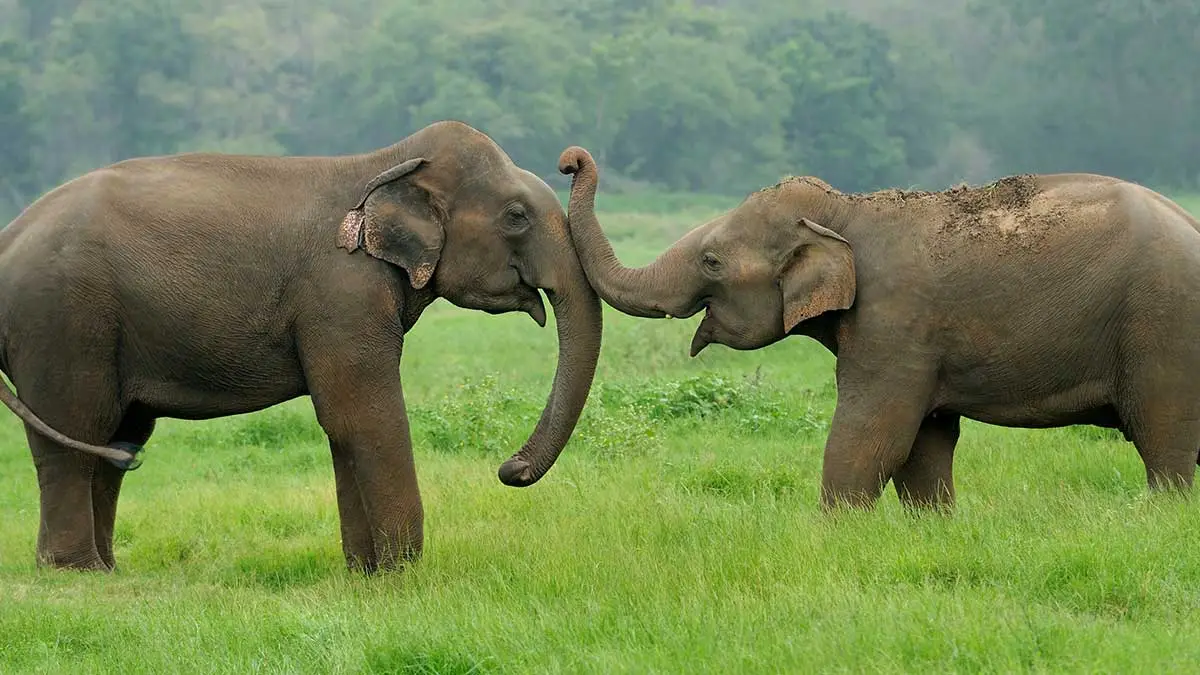
Asian Elephant
Corbett Tiger Reserve supports a significant population of around 700 Asian elephants. These majestic giants are often seen in large herds near the Ramganga river, Dhikala grasslands, and during seasonal migrations between Corbett and Rajaji National Park.
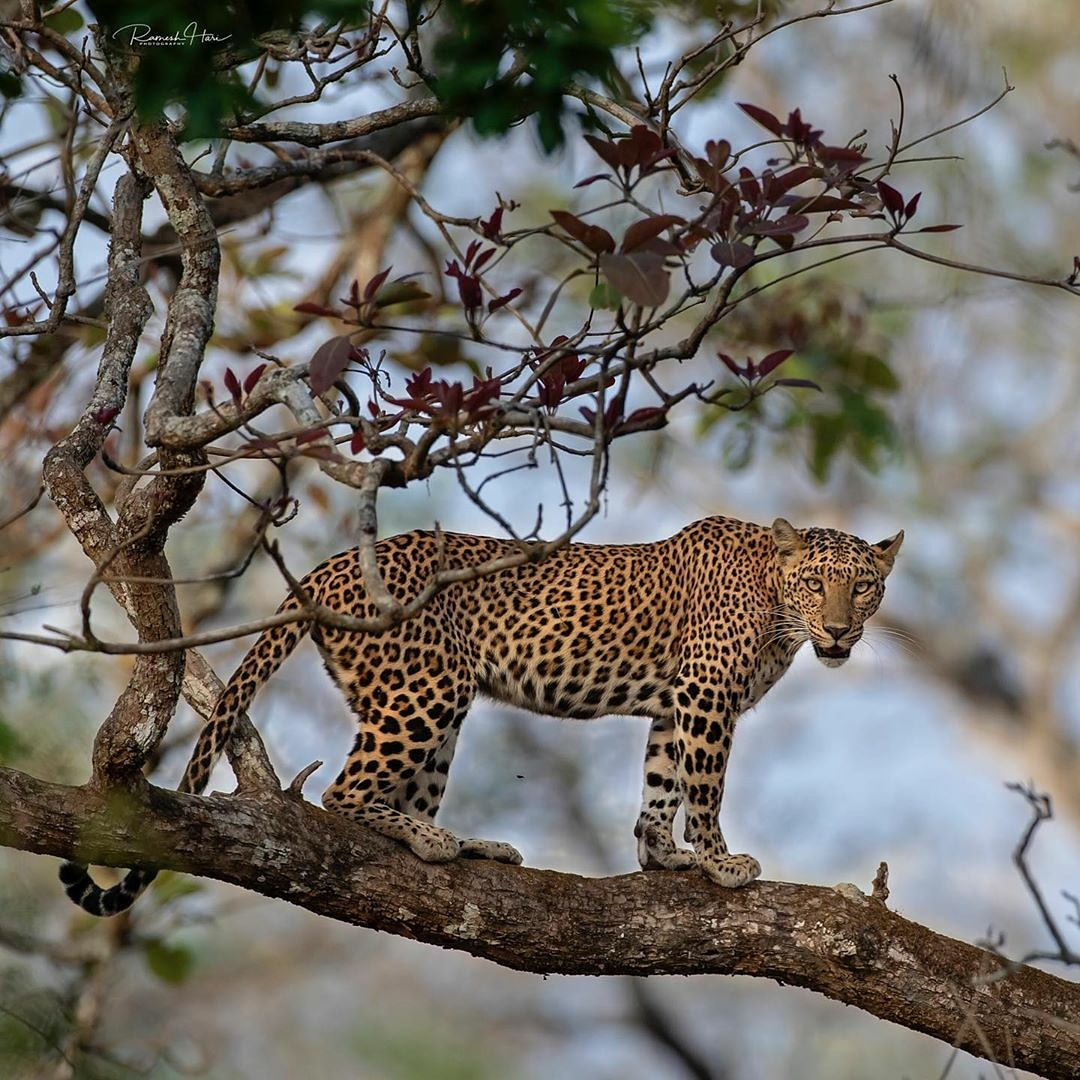
Indian Leopard
Also known locally as "Guldar," leopards thrive in Corbett's hilly and forested terrain. They are excellent climbers, often resting on tree branches, and are more adaptable than tigers, sometimes living closer to human settlements.
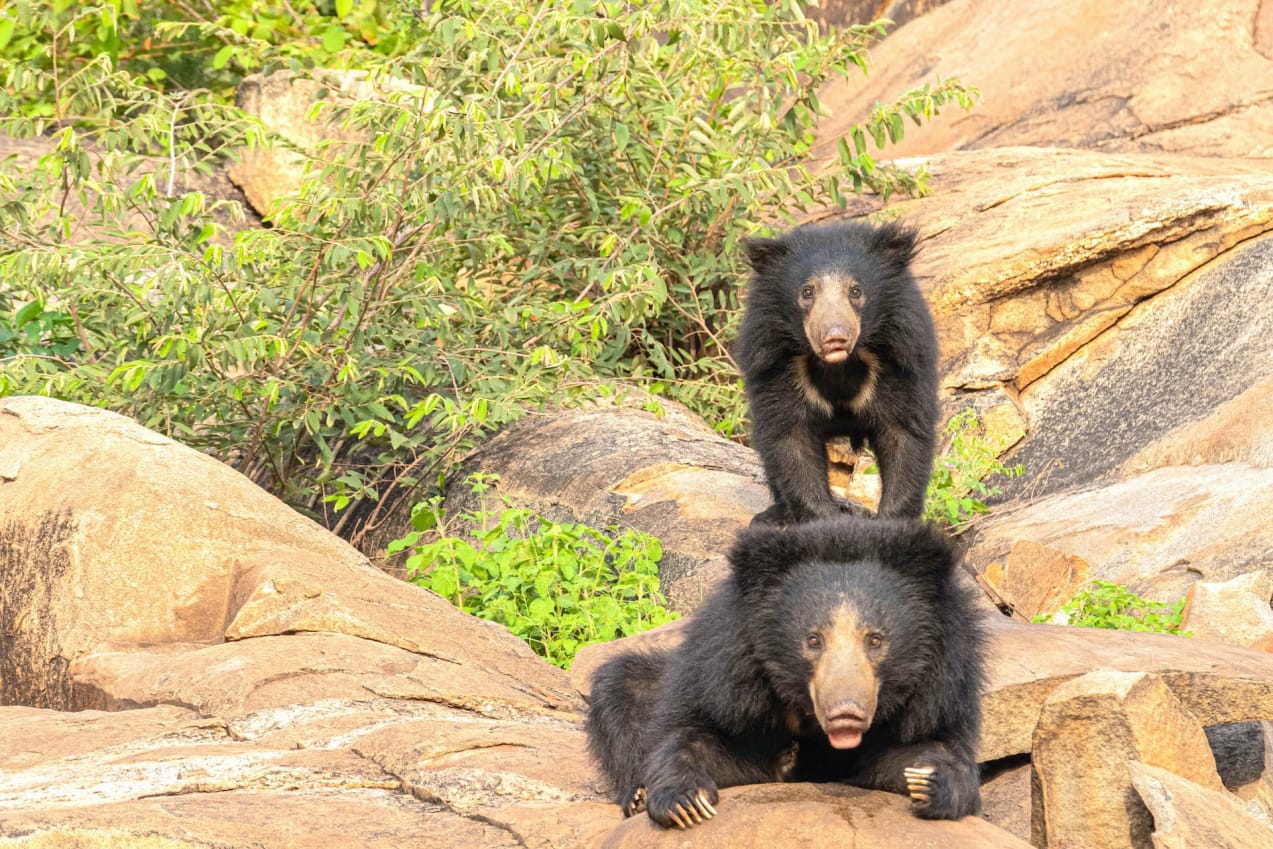
Sloth Bear
Shaggy-coated and primarily insectivorous, sloth bears love termites, ants, and honey. They are mostly nocturnal with poor eyesight but an exceptional sense of smell. Corbett provides ideal habitat with plenty of rocky outcrops and forests.
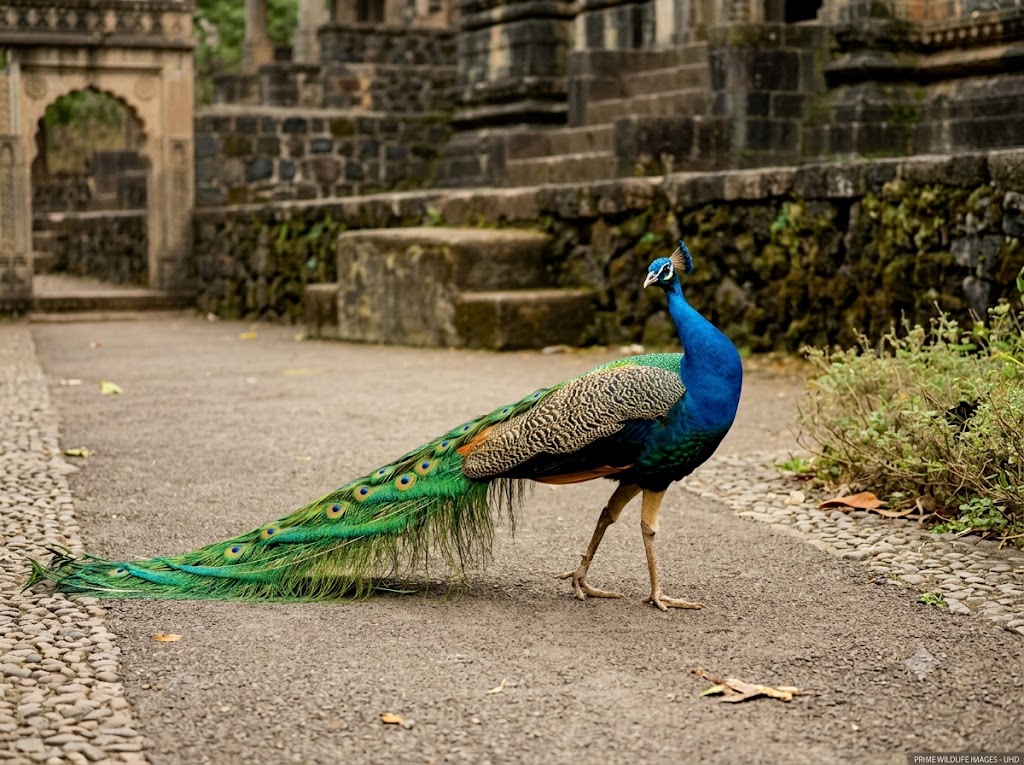
Indian Peafowl (Peacock)
India's national bird. Males display spectacular plumage during breeding season. Their loud, piercing calls are a common sound in Corbett, especially before the monsoon. Often seen foraging in grasslands and forest edges.
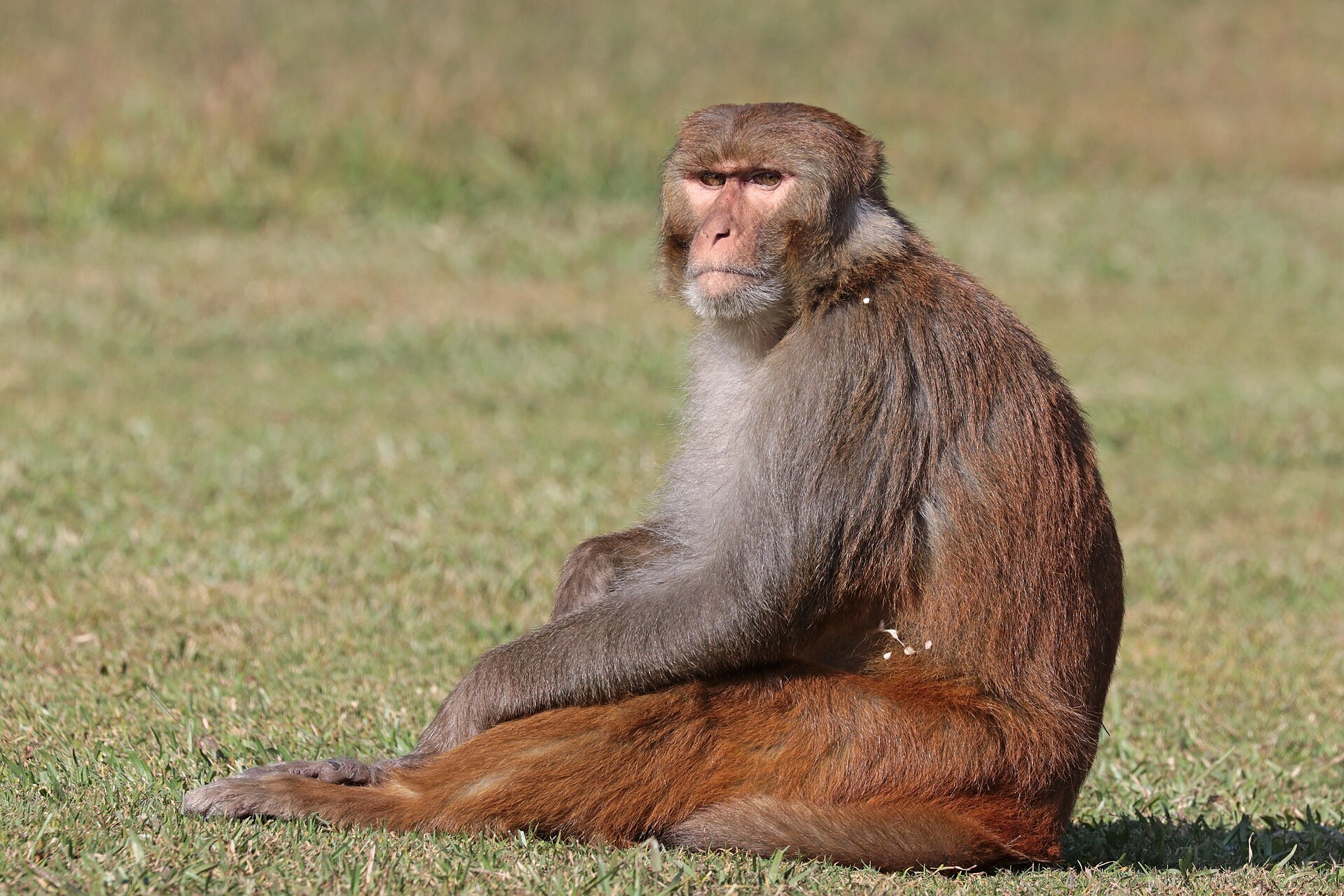
Rhesus Macaque
Highly social and adaptable troops are common throughout Corbett. They forage in the canopy and on the ground, often near water sources and forest edges. They play an important role in seed dispersal.
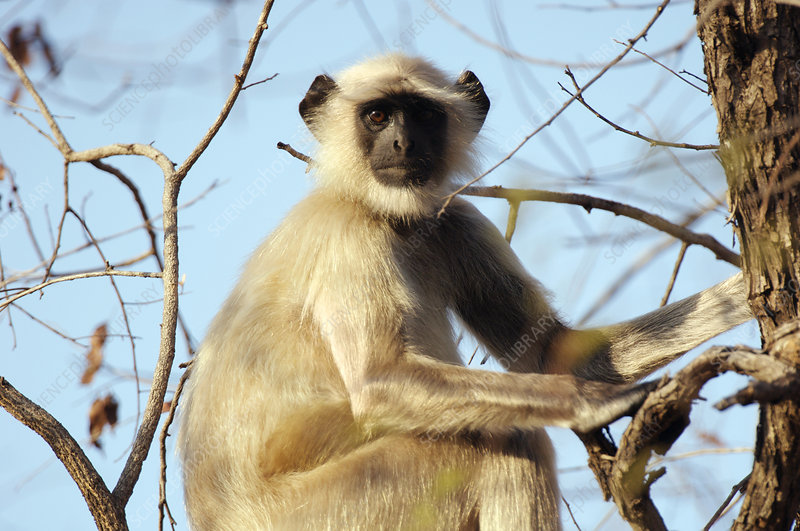
Common Langur (Northern Plains Grey Langur)
These leaf-eating monkeys are excellent sentinels, often giving alarm calls that warn other animals like deer of approaching tigers or leopards. Large troops move through the upper canopy.
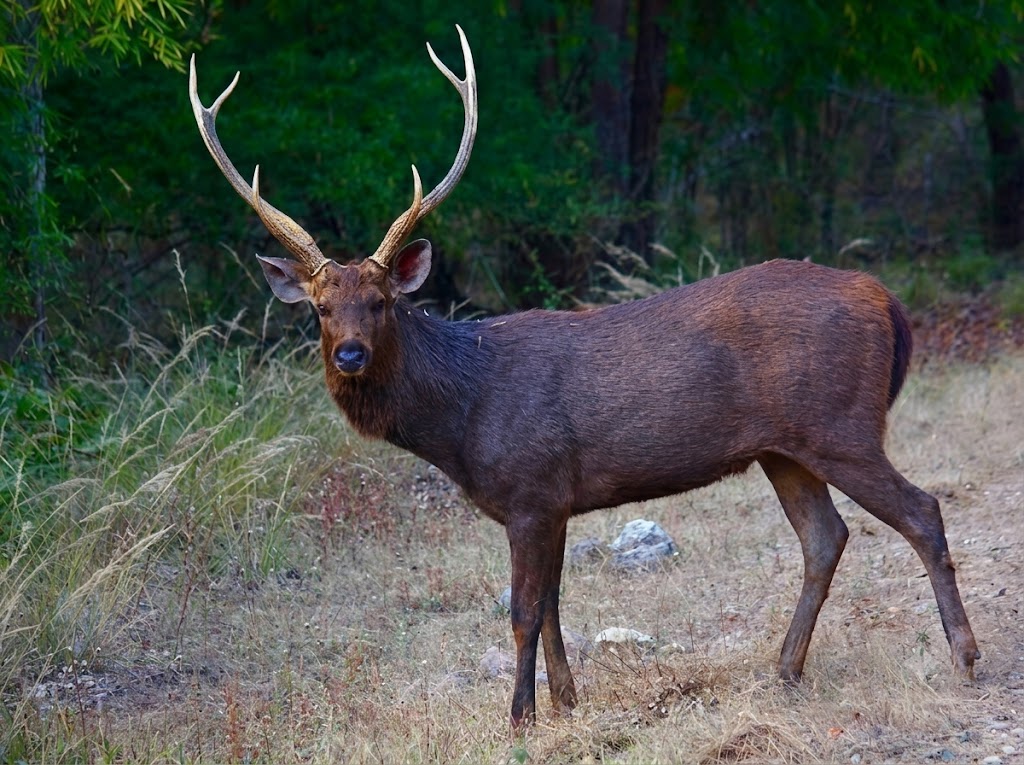
Sambar Deer
The largest deer species in Corbett. Tigers prefer hunting sambar, so a strong sambar population indicates a healthy ecosystem. They are most active at dusk and dawn, often found near water.
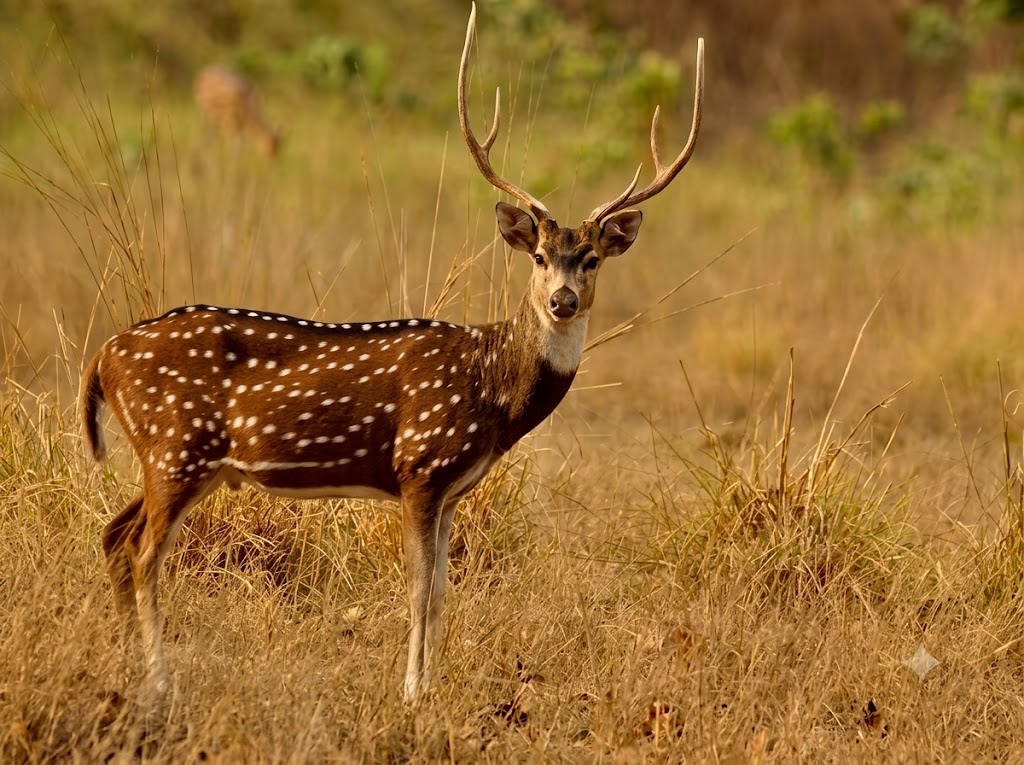
Chital (Spotted Deer)
Also called spotted deer, these graceful animals are commonly seen in large herds in the open grasslands and forest clearings of Corbett. Their sharp alarm calls help alert the jungle to predators.
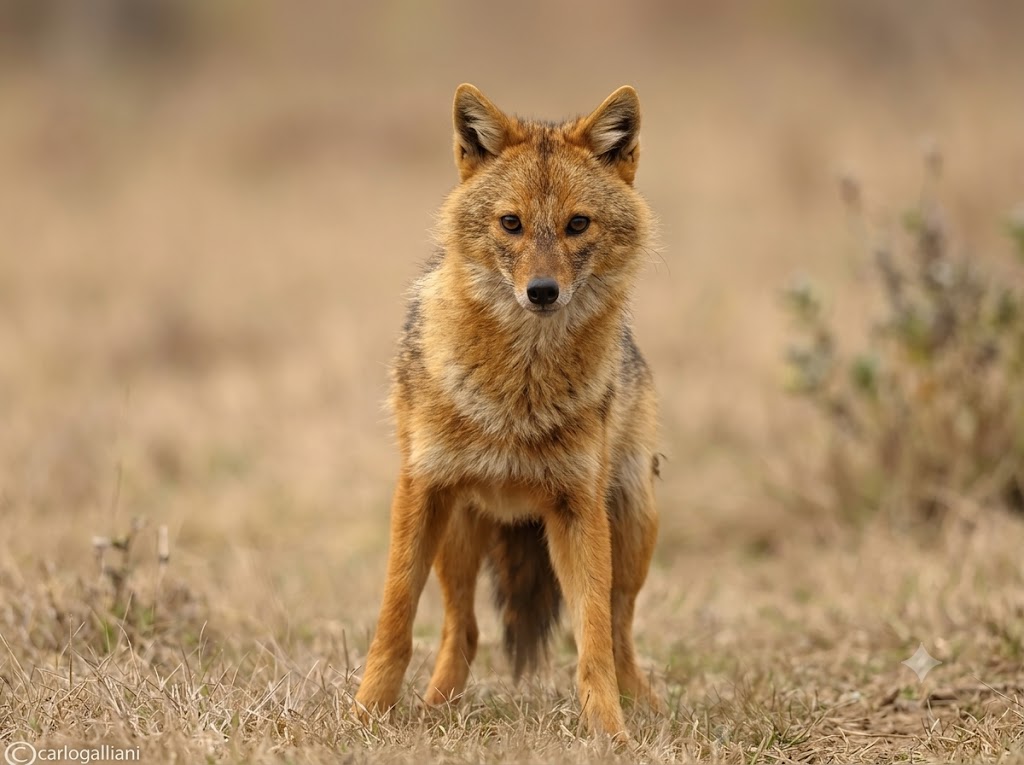
Golden Jackal
Opportunistic scavengers and hunters often seen in pairs or small groups. Their haunting howls at dusk and dawn are characteristic sounds of Corbett. They frequently follow tigers to scavenge kills.
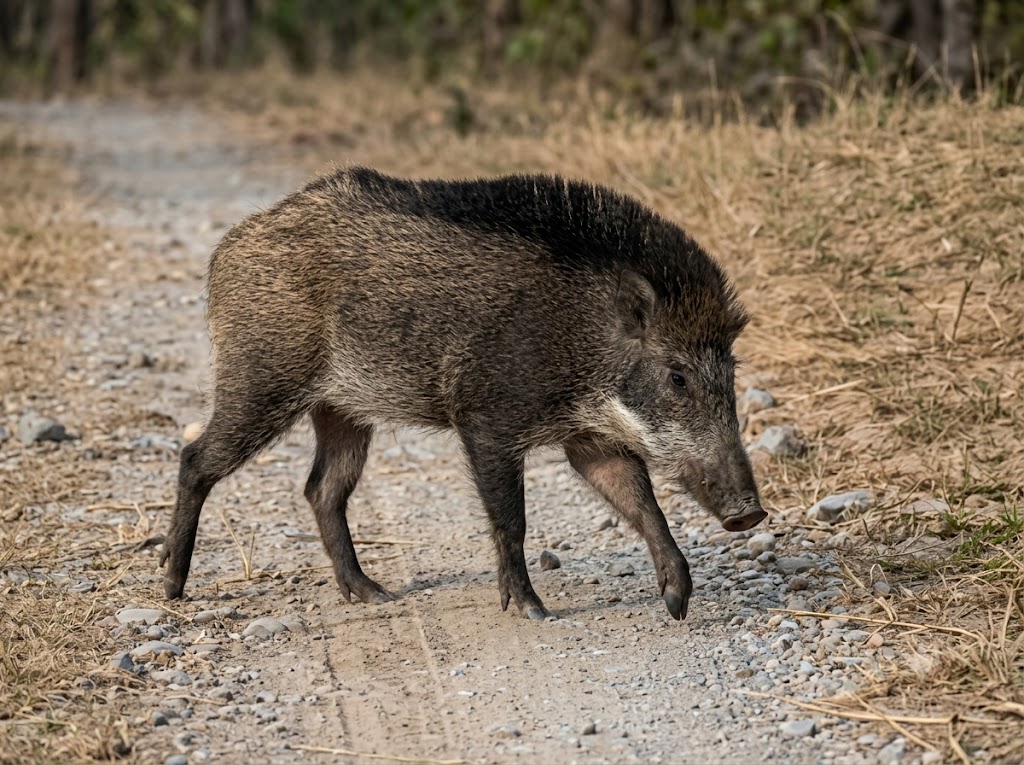
Wild Boar
Tough, omnivorous animals that use their snouts to dig for roots and tubers. They are fast runners and form an important prey base for tigers and leopards in the reserve.
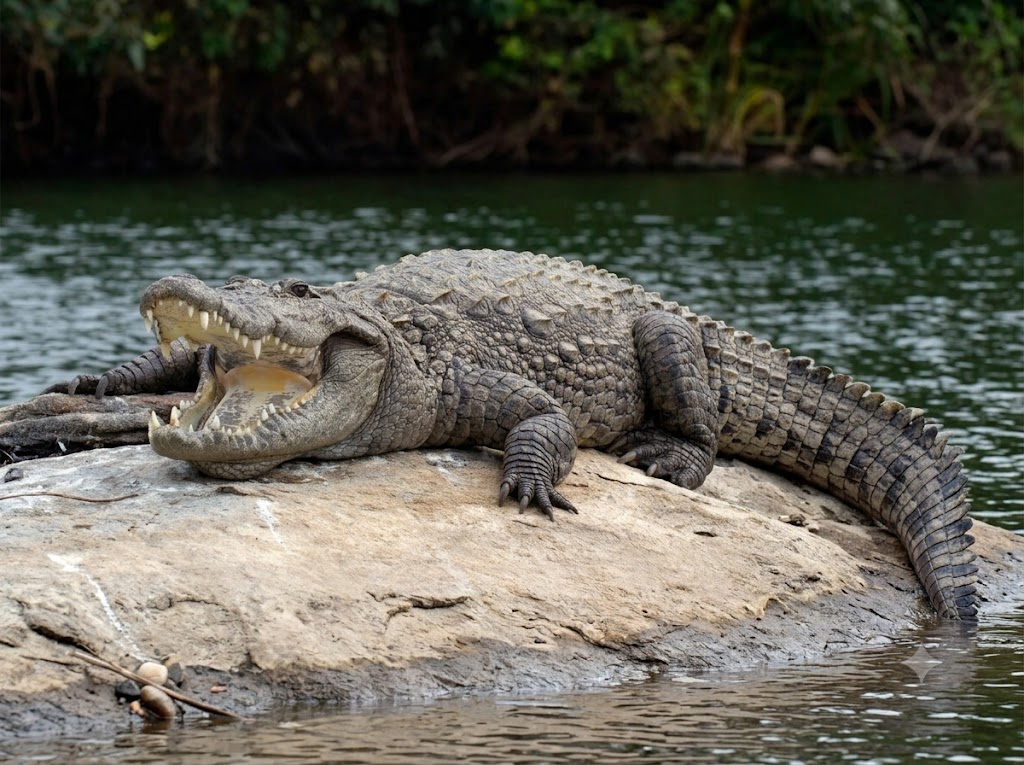
Mugger Crocodile
Also called the marsh crocodile, these reptiles bask along the banks of the Ramganga river and other water bodies. They have broad snouts and feed on fish, birds, and small mammals.
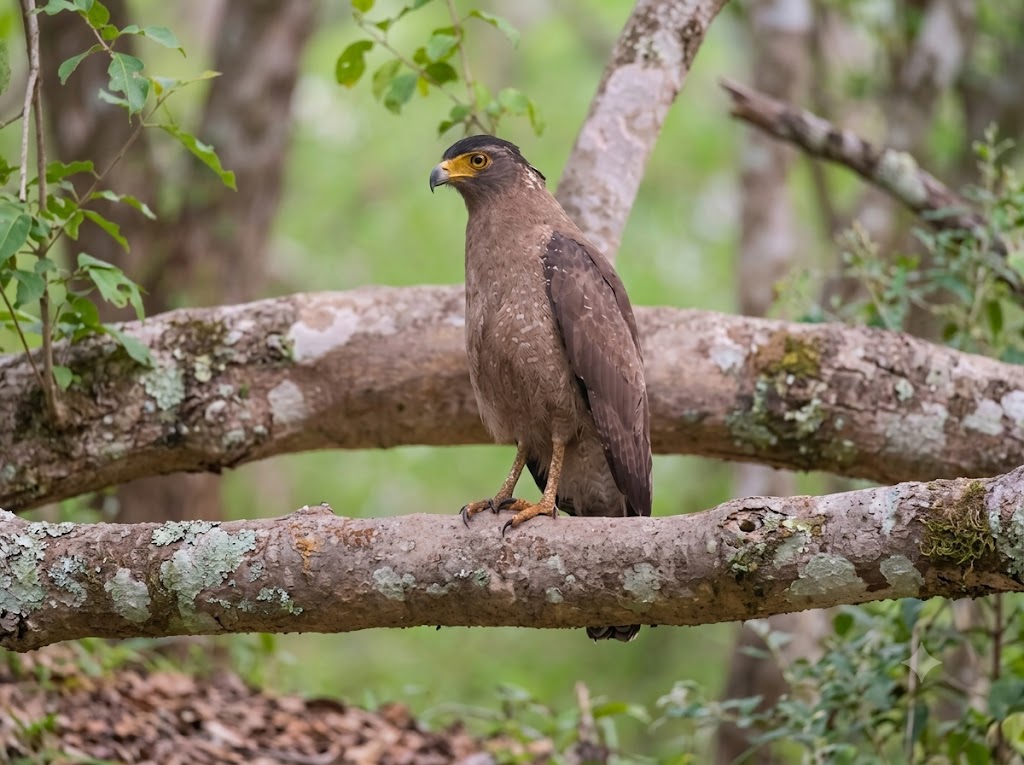
Crested Serpent Eagle
A striking raptor with a prominent crest. It soars over the canopy hunting snakes, lizards, and small mammals. Its loud, piercing calls are often heard in the forests of Corbett.
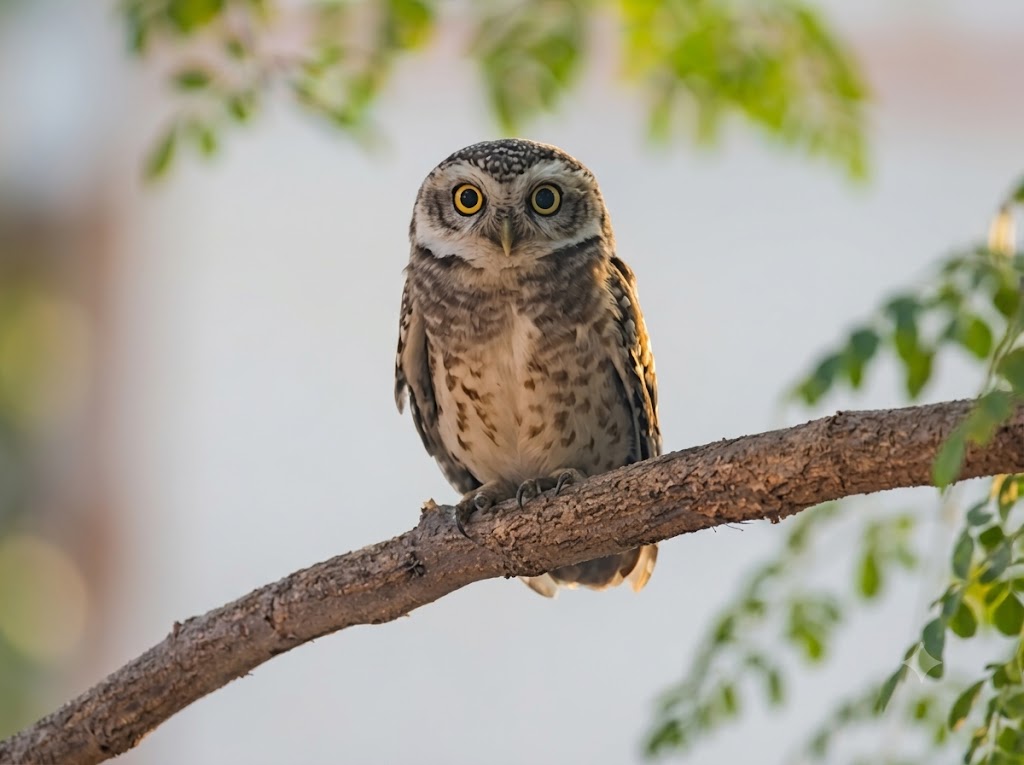
Spotted Owlet
A small, diurnal owl frequently seen perched near tree hollows or buildings even during the day. Their chattering calls are common at dusk in the reserve.